How to Survive in India: Top Tips to Know before Your Trip

Visiting India is the ultimate travel bucket list destination. But it is also one of the most challenging ones, even for the well-travelled people. While it is getting easier to travel within India logistically, the trip would still require a lot of planning ahead. In my blog post I’m sharing with you my top tips on how to survive in India, so you can have a trip of your lifetime.
P. S. This blog post is from someone (me) who survived the Delhi belly and flu, so you can learn from the first-hand experience and hopefully avoid catching these yourself.
✅ If you’re looking for a custom travel plan, find out more about my personalised itinerary service here.

Heads up! Some links in this blog are affiliates. If you click and buy, I may earn a small commission at no extra cost to you. Rest assured, I only recommend stuff I’ve tested or trust. You can read more about our affiliate disclaimer here.
Short on time? Here are my top recommendations:
Travel Resources for India:
📖 Read my My 7 Days India Itinerary: India’s Highlights & Gems blog post.
Essential Travel Preparations
A successful trip to India starts long before you arrive. Therefore, I created a list of India travel essentials and things to do before your trip to India starts.
Visa Requirements
While there are visa-free countries that can easily travel to India, there are also some that do need to apply for the e-visa beforehand. The best is to check the official site of the Indian government for info.
Currency & Cash
Local currency is in Indian rupees and while you can pay with cards at some places, India is still largely a cash-first destination. I would highly recommend you to have at least a hundred pounds, dollars or euros (or whatever is your local currency) already exchanged before you arrive in India. Later, you will be able to find ATMs in any major city.
For best currency exchange rates I use either Wise or Revolut.
Power Plugs & Adapters
Most blogs which I read before my trip to India, said that you’d be easily able to use your UK, US and/or EU plug in India. Only a few people recommended buying the Indian plug. Because we live in the UK and have previously travelled to both the EU and the US, we decided to bring all three kinds of plugs. But we also bought the Indian plug.
Can you guess what happened? As soon as we checked into our first hotel and tried the power plug (which was very good btw!), none of the other 3 plugs worked, but the Indian plug. We didn’t try other plugs later when we checked into different hotels, so maybe it would have worked there. However, my advice is to either buy the Indian plug or the universal adapter.
Travel Insurance & Health Precautions
Okay, so this is probably the main section in this blog post on how to survive in India.
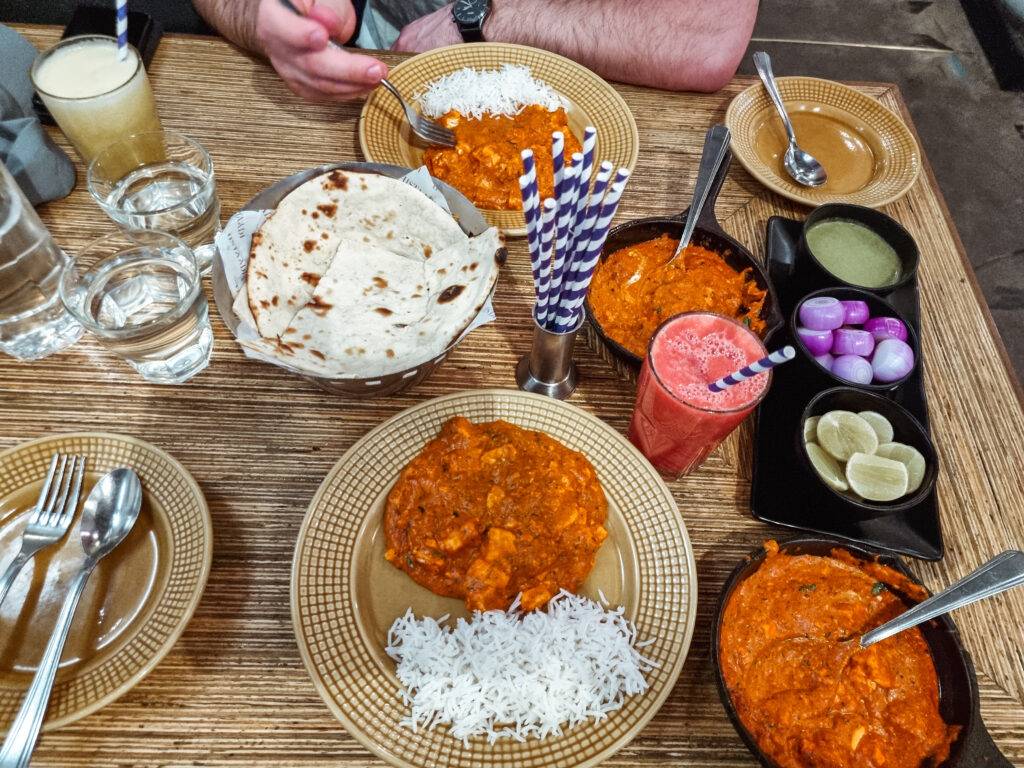
The main concern for every traveller out there, and for a good reason, is how to eat the local cuisine without risking the infamous Delhi belly.
My main tip for you, before the trip to India even starts, is to drink probiotics 2 weeks before the trip and during the whole time you’d spend in India. That way you decrease the chances of your stomach reacting to some unfamiliar bacteria.
Once you’re there, I would mainly stick to the restaurants with 4.5 star reviews on Google, and particularly I would be looking if the tourists left their reviews. Such restaurants usually implement better hygiene because they want to attract foreign visitors. The main con to eating at tourist-oriented restaurants is that the price for the meal is higher than what you would pay on the street or in some super random local restaurant of questionable hygiene. The price is still affordable and cheaper than in the West, but don’t expect it to be dirt-cheap because it won’t.
The main reason why I suggest not eating super locally is or off the street is because most of these places don’t have any fridge (and if you’re eating meat, well…). Also, the streets are so dirty, there’s open sewage in a lot of places, so you can imagine all these bacteria floating around (pretty disgusting if you ask me).
And even if you do follow all of my tips, you can still get a Delhi belly because guess what?! Both me and my husband got it despite being EXTREMELY careful with what we eat and where we eat. Luckily, our stomach sickness was manageable, especially when we got the antibiotics from the local pharmacy.
P. S. Absolutely DO NOT drink tap water because it contains Escherichia coli! Don’t even brush your teeth with it!
And if this was not already enough, the last 2 days of our 2-week adventure through India, I got sick with flu! I think I inhaled all this bacteria from the sewage which made me really sick.
Thankfully, I brought Lemsip, stayed the whole 48h in the hotel before the flight, slept and drank a lot of tea, so I managed to survive and not to go to see the doctor.
But, if it had gotten worse, I would have had to go and therefore in such cases, it’s so important to have travel insurance. As you can see, you never know where you may get sick and in India the risk of catching something is higher than in other more developed places.
💡Disclaimer: The information provided is for informational purposes only and should not replace professional medical advice. Consult your doctor before making any medical or travel decisions. The author assumes no responsibility for consequences resulting from using this information without consulting a medical professional.

Cultural Tips for India
India is a country of diverse cultures, traditions and social norms that can be quite different from what you’re used to. Understanding these differences will help you blend in, show respect and make your journey more enjoyable.
Language & Communication
The good thing is that the official languages in India are Hindi and English. Even if some people don’t speak English, they will still know and understand a few words you’re saying. But if you’re still struggling to communicate with local people, just use Google Translate whenever necessary.
The internet works well there, so you won’t be struggling with the network. Just make sure you have an Indian e-sim or local sim card. I am exclusively using Airalo for e-sim because it’s convenient to use and often they have better deals than buying a physical sim card. You just need to install it on your phone before you take off for India.
Dress Code & Cultural Respect
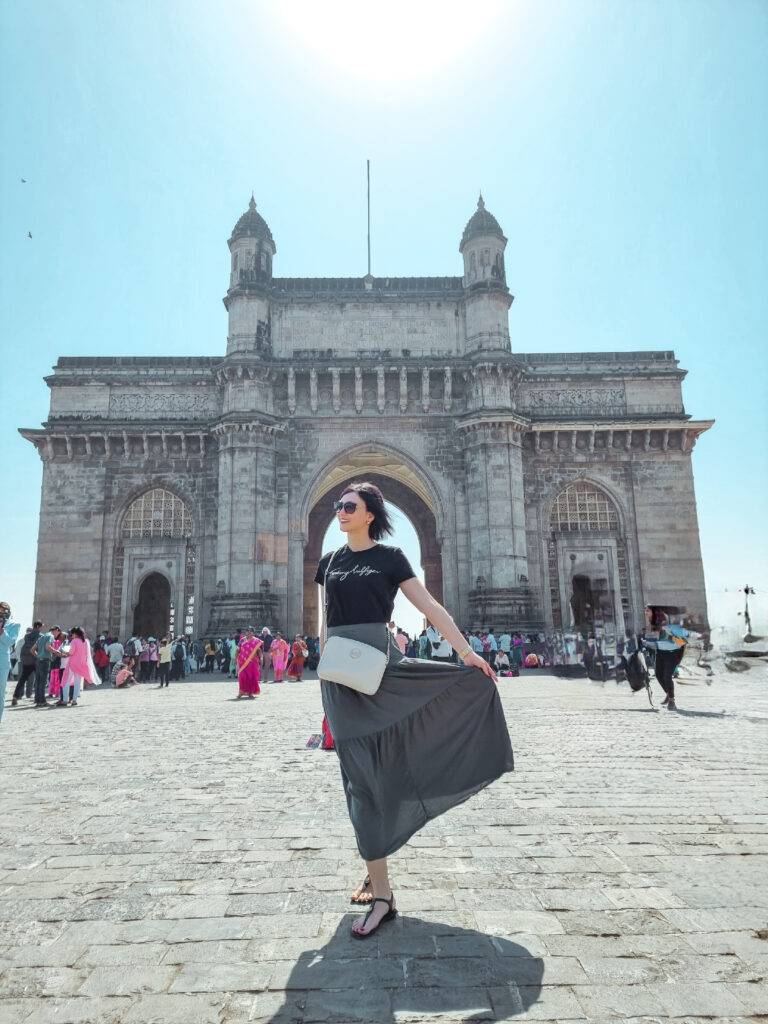
This paragraph applies more to women, especially when it comes to the dress code. In order to survive unwanted looks in India (especially if travelling as a solo female traveller), please don’t dress in India like you would at home. There are many reasons for it. Firstly, there’s the cultural difference. While in the major cities like Mumbai you will see Indian women dressed in jeans and shirts, they are a minority. Most local women dress very traditionally (which I personally found so beautiful).
Second, and even more important, you will attract views from the local men even if you walk in a sari all day long, especially if you’re blonde. Despite me being with my husband all the time, at times it did feel uncomfortable to be attracting that many views from men, and so I can’t even imagine what would that mean if I were to dress in very tight mini dresses or whatnot.
My recommended travel outfits to wear in India as a woman:
Personal Recommended Products (similar to what I wore in February 2022):
What I wore in India:

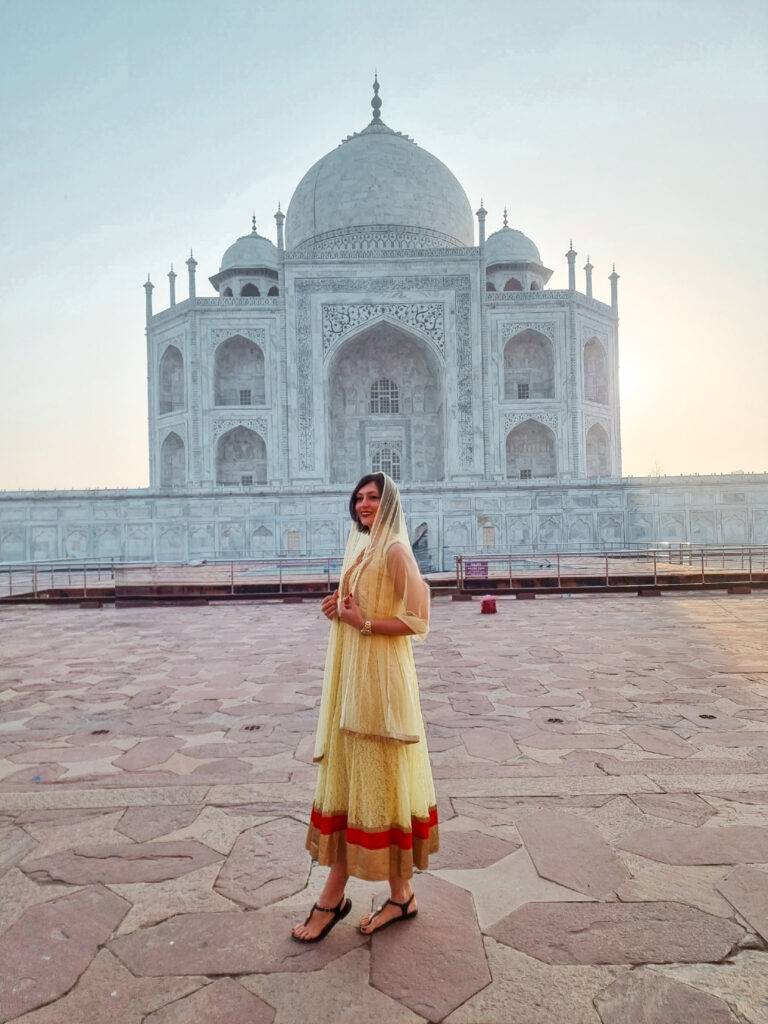
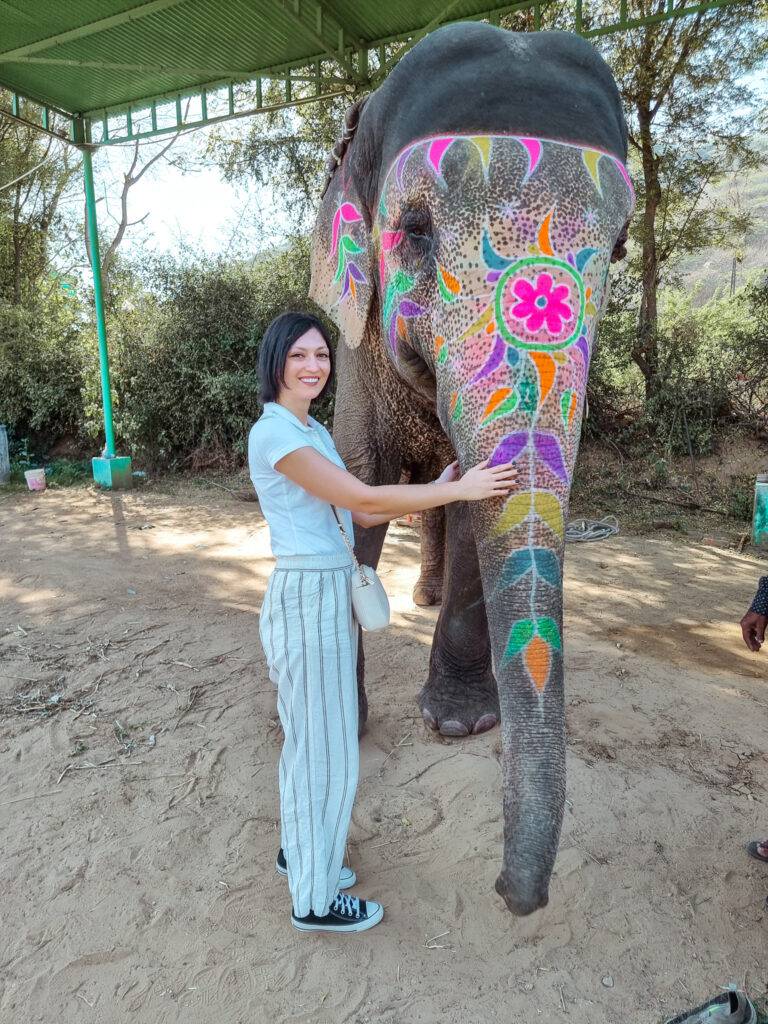


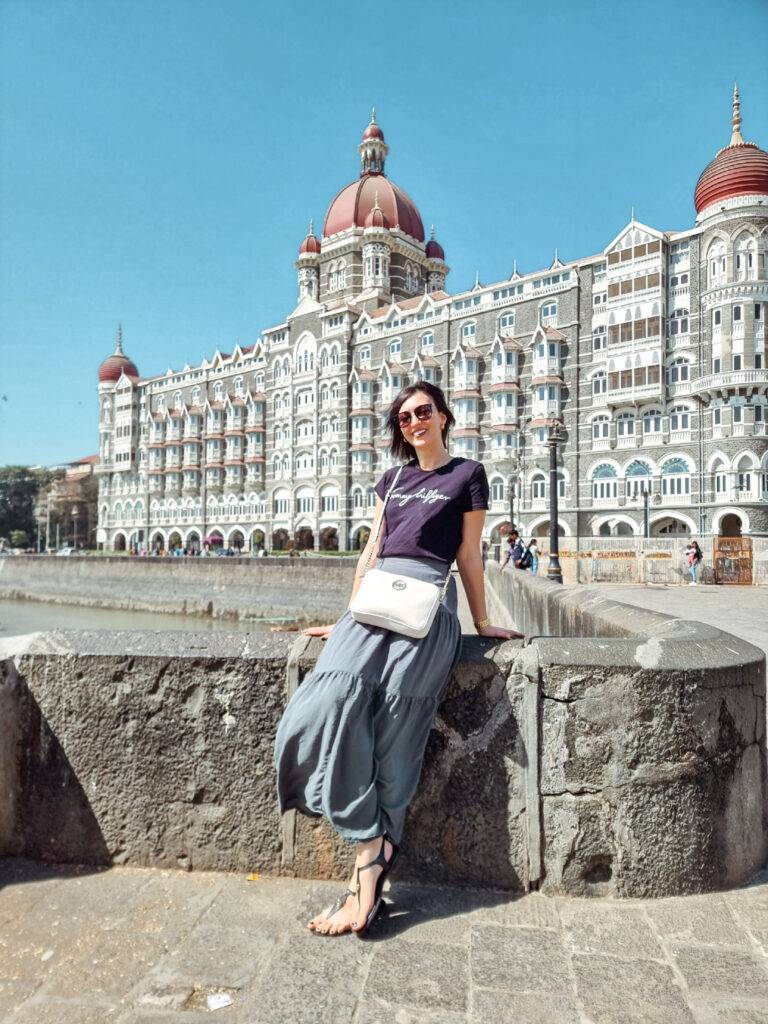
In your hotel you can dress as a Western woman if you’d like. I still only brought the swimming suit because I knew some hotels would have pools, but otherwise, all of my clothes were either long trousers, short-sleeve t-shirts and maxi dresses and skirts + the local clothes.
📖 Visiting India as a Female Traveller? Then check my Essential Tips for Visiting India as a Female Traveller blog post.
Getting around India
It’s really important to use a reliable means of transportation for getting around India. I would refrain from taking trains (or any public transport) because not only are they a nightmare to book but also they may not be the smartest choice.
The best means of transportation if you ask me is to either order your ride on Uber or on GetYourGuide (the latter especially for the inter-city transfers). Or just fly for longer distances because not only would you save a lot of time but domestic flights in India are actually very affordable!
Choosing Your Accommodation in India
When people ask me if India is cheap, I usually answer with: it depends.
It can be very cheap if you’re eating Indian food at the street food markets (which I don’t recommend AT ALL) or if you’re staying in some super cheap hotel/hostels (which I also DON’T recommend).
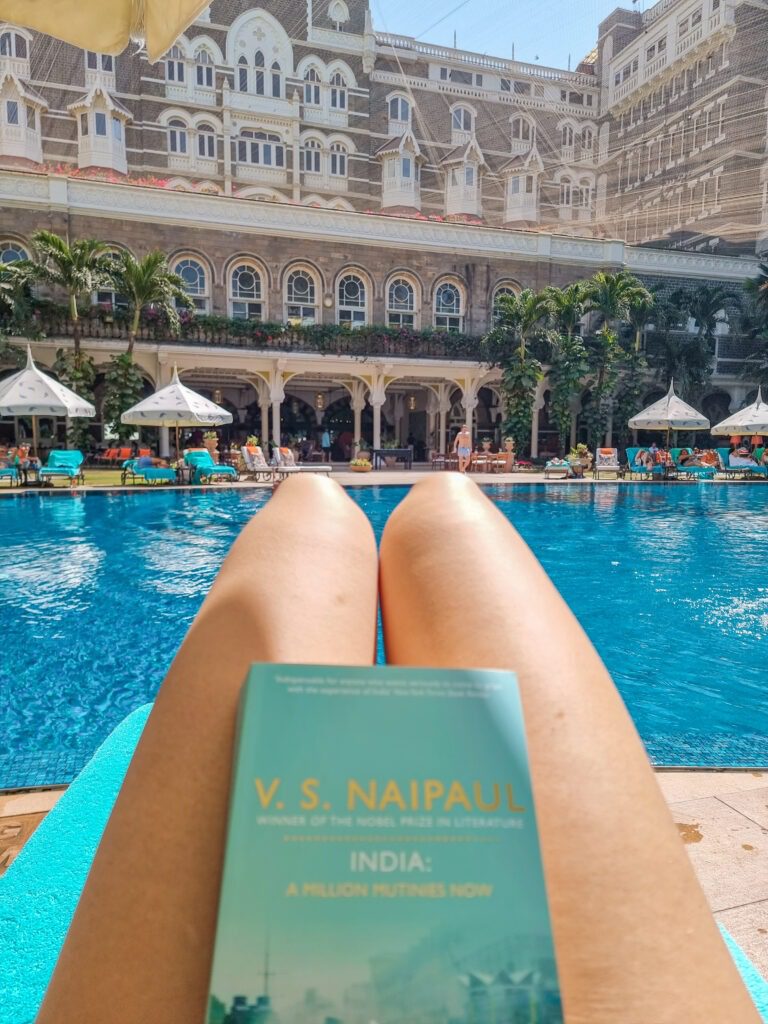
However, even staying in a luxury hotel in India is WAAAY cheaper than staying in such similar hotels in the West. So, not only you can treat yourself with some very nice accommodation for what you’d pay for an average hotel in Europe or the US, you will actually keep yourself safe too (and this particularly applies for solo female travellers).
All these hotels for Westerners are fenced properties with some high-tech security watching over you. Yes, inside is a completely different world from what you see on the streets of India, but it also comes as a nice break from all that chaos on the street.
Some of my favourite stays in India were in these hotels:
- Mumbai: Taj Mahal Palace
- Udaipur: Shiv Niwas Palace
- Jaipur: Pearl Palace Heritage Boutique Hotel
- Delhi: Crowne Plaza New Delhi Okhla
Read my other India blog posts:
- My 7 Days India Itinerary: India’s Highlights & Gems
- How to Spend 2 Weeks in India: India Travel Guide
- Essential Tips for Visiting India as a Female Traveller
- Mumbai 3 Days Itinerary: How to Spend Your Time Perfectly
- Is It Worth Staying at the Taj Mahal Palace in Mumbai? A Complete Review
- My Ultimate Taj Mahal Guide: Everything You Need to Know
- 4 Hotels with Amazing Taj Mahal View for Every Budget
✅ If you’re looking for a custom travel plan, find out more about my personalised itinerary service here.
Like this post? Pin it!📍